Climate and Vegetation | Translate This Page |
Climate:
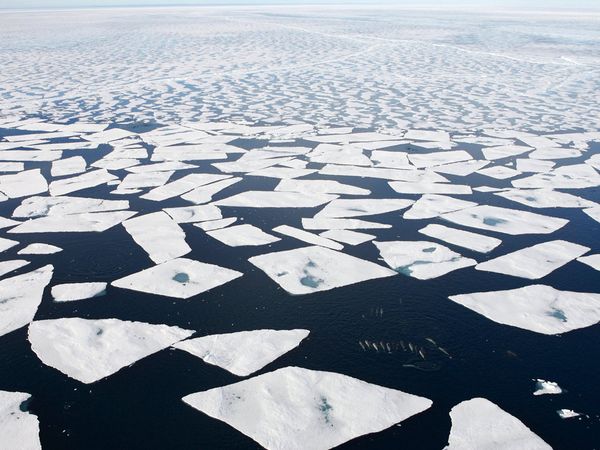
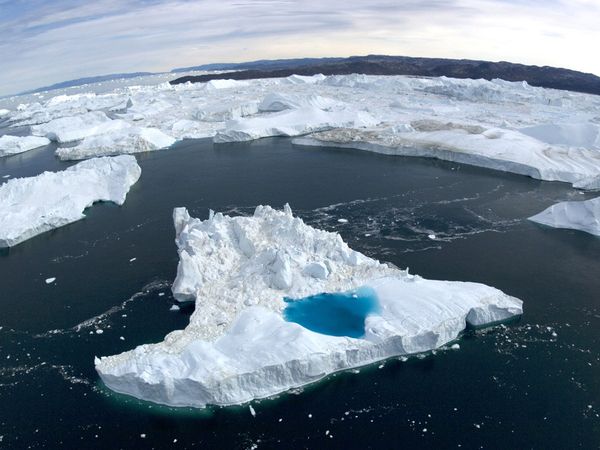
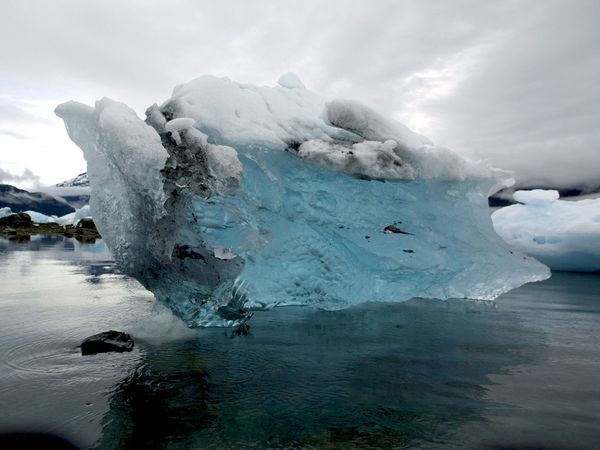
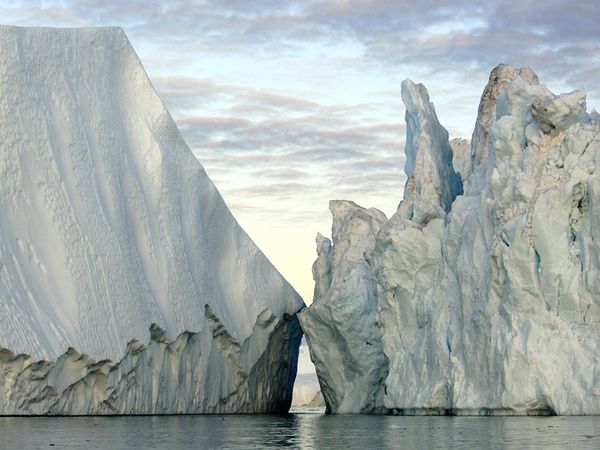
The Arctic climate is very severe because it is so far from the equator, Winter lasts for 10 months in the far north. Summer is very short, and not very warm. Because it has little precipitation the Arctic is actually a DESERT.
Average winter temperatures can be as low as −40 °C (−40 °F), and the coldest recorded temperature is approximately−68 °C (−90 °F).
This extreme climate produces the type of scenery known as the Tundra.
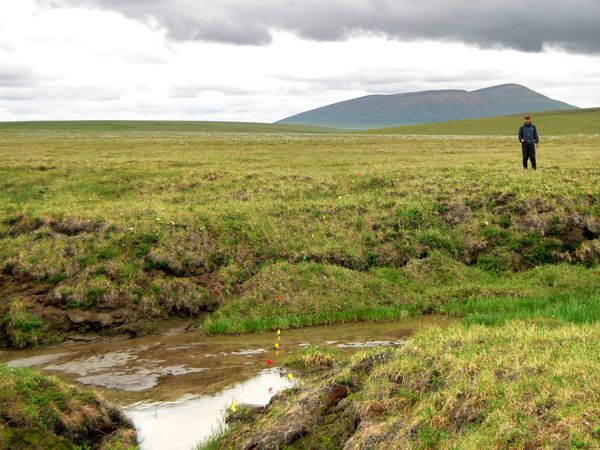
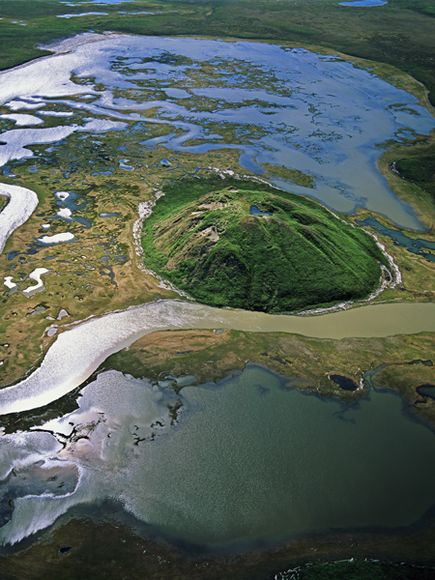
The land is waterlogged, as the ground will remain frozen and so impermeable with only the top metre or so melting. The frozen ground is known as Permafrost and the section that melts is known as the active layer. Plants do not grow high due to the strong winds and the permafrost preventing deep roots.
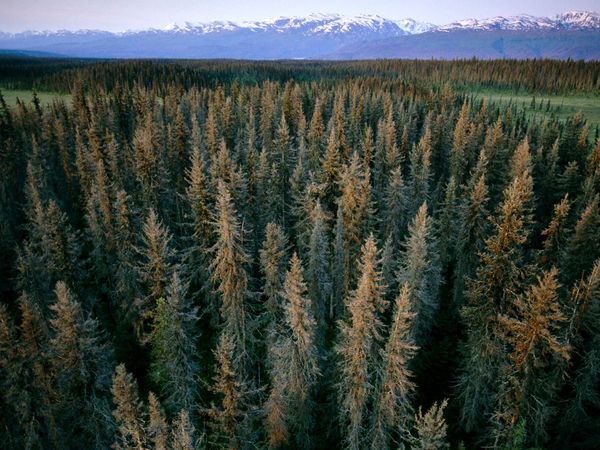
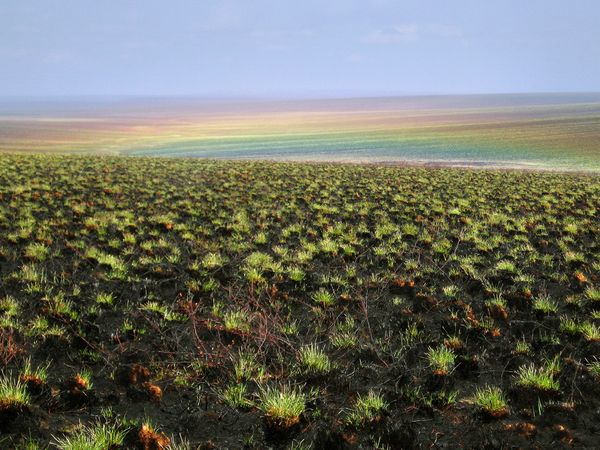
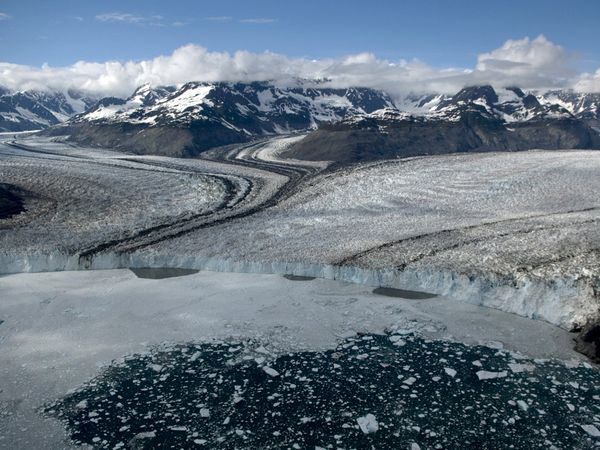
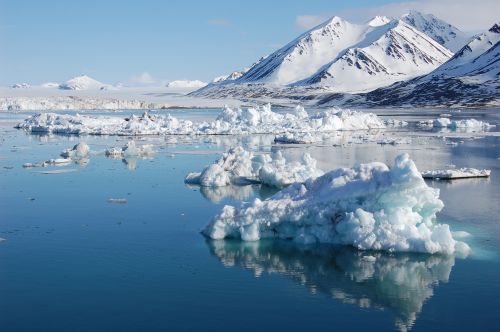 Mountains in the Arctic | 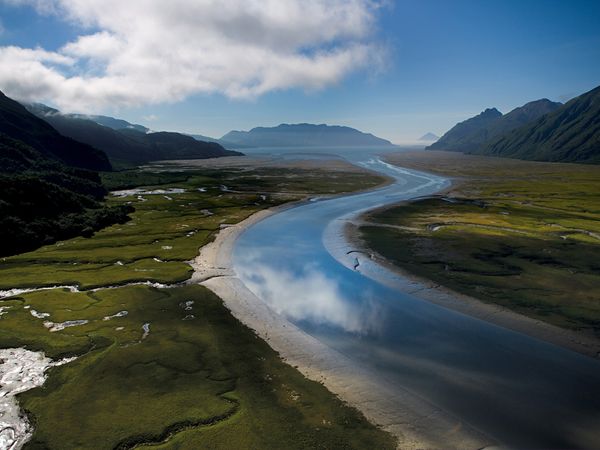 Arctic in The Summer |
Vegetation:
Arctic vegetation is inactive for nine months as the plants snooze under-snow blankets, awaiting the short summer when a top layer of the tundra-thaws.
The thawing permafrost creates welter conditions, dotting the landscape with countless lakes, bogs, streams, and meadows and the landscape bursts into life with a variety of mosses, lichens, grasses, herbs, flowering plants and dwarf shrubs.
How do the plants survive in such harsh conditions?
- They grow close to the ground and close together, helping them to resist the effects of cold weather, and reduce damage caused by snow and ice particles driven by the cold winds.
- The plants are small and roots are shallow to skim the thin unfrozen layer on top of the permafrost.
- Water is lost through the leaf surface, so small leaves help the plants retain moisture.
- Plants have the ability to grow under a layer of snow, and to carry out photosynthesis* in extremely cold temperatures.
- Some plants, like lichens (right), can survive on bare rock.
- They use the long hours of sunshine to develop and produce flowers quickly in the short season.
Image Description:
|